
As an OB/GYN—and as a woman who has labored—I believe it is time to thoughtfully revisit one of the most persistent practices in hospital birth: the routine restriction of food during labor.
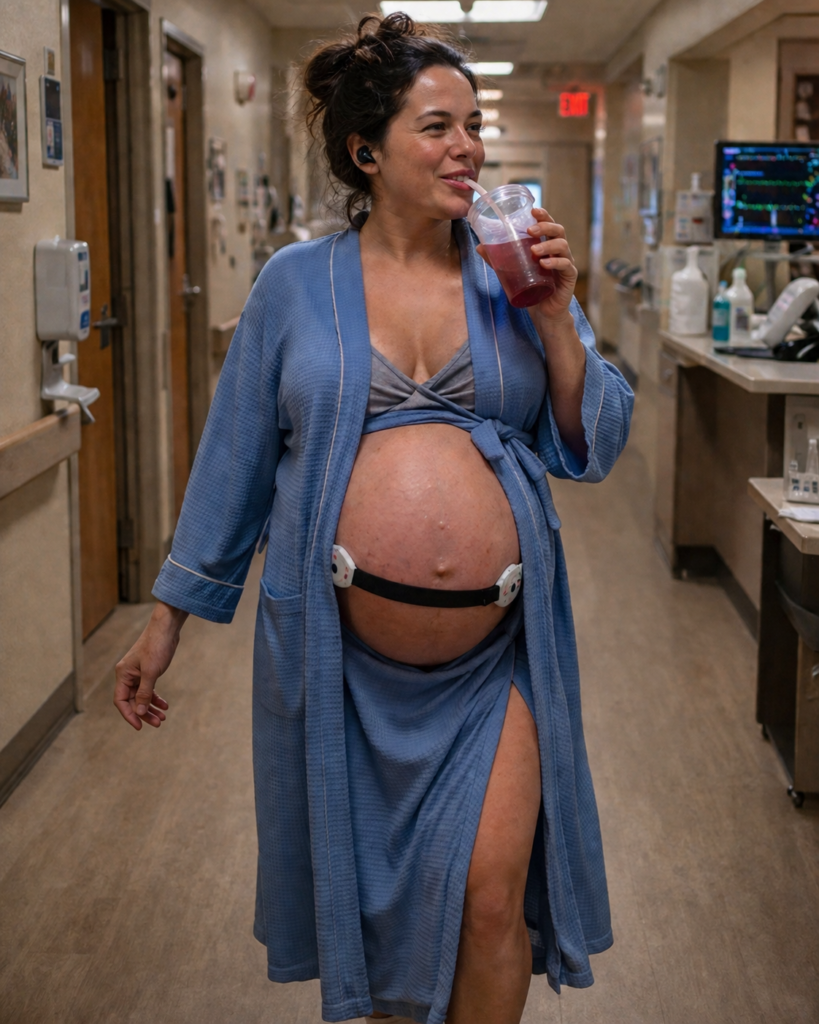
Let me be clear: hospital-based obstetric care today is exceptional. We provide safe, skilled, and often life-saving care for women and their babies every day. This conversation is not about criticizing that care—it is about continuously improving it, and ensuring that safety and humanity evolve together.
Labor is one of the most physically demanding events a woman will experience. It is prolonged, unpredictable, and requires endurance. The ability to eat, drink, and move supports the natural physiology of labor and helps women maintain strength through the process.
And yet, many women encounter an unspoken trade-off:
the freedom to nourish and move in out-of-hospital settings…
versus restrictions once they enter the hospital environment.
We can do better—not by abandoning safety, but by refining how we apply it.
The primary concern surrounding oral intake in labor is the risk of aspiration if general anesthesia becomes necessary. This risk is real. But it is also context-dependent and increasingly uncommon in modern obstetric care, where the majority of cesarean deliveries are performed under regional anesthesia.
Rather than applying a universal restriction, we should be asking:
- What is this individual patient’s risk?
- What is the clinical context?
- What informed choice does she wish to make?
Risk in medicine is rarely zero. It is assessed, communicated, and individualized.
We already apply this principle in many areas of care:
- Most laboring women will never require general anesthesia
- Even surgical patients are increasingly advanced to earlier feeding postoperatively
- Anesthesia practices have evolved significantly over time
It is reasonable—and responsible—to allow our labor practices to evolve as well.
This is not about encouraging all women to eat.
This is not about ignoring risk.
This is about:
- Providing clear education
- Respecting informed decision-making
- Supporting physiologic labor whenever safely possible
Some women will choose to eat lightly.
Some will prefer not to.
Both choices are valid.
What should not happen is:
- A woman being penalized for making an informed choice
- A woman being denied appropriate pain management because she has eaten
- A woman feeling she must choose between dignity and access to care
We have the opportunity to continue advancing hospital birth—not by changing who we are, but by building on the excellence we already provide.
By allowing appropriate flexibility, respecting autonomy, and maintaining clinical judgment, we can create an environment that is not only safe, but also deeply supportive of the laboring woman as a whole person.
This is how we continue to move forward—
with both science and compassion guiding the way.